Injection Moulding vs. Machined Plastics: How SL Plastics Supports the Conveyor Parts Industry
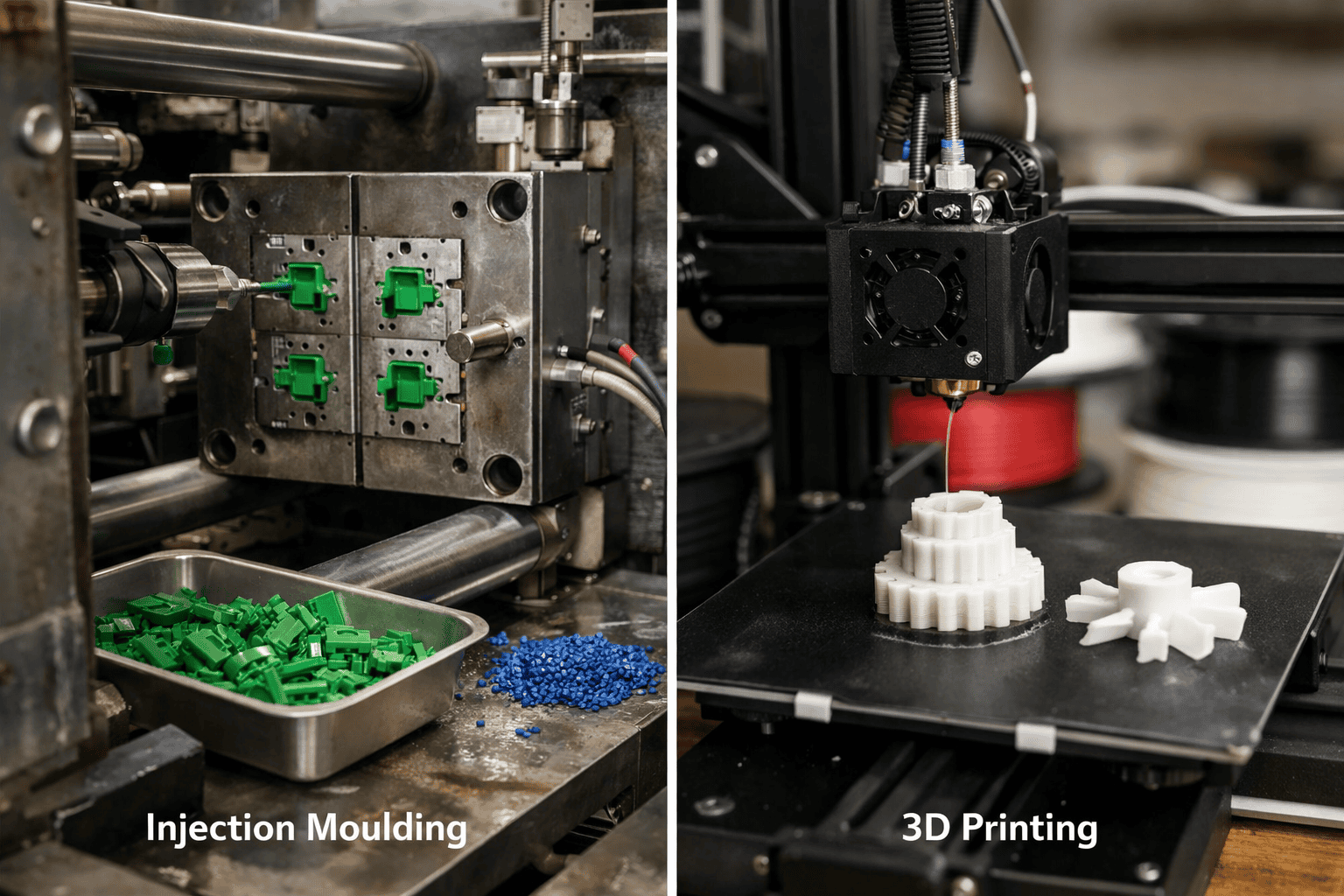
The plastics manufacturing industry is far more diverse than many people realise. While injection moulding is one of the most widely used production methods—ideal for creating large quantities of identical parts—other specialist techniques play an equally important role, particularly when precision, durability, or low-volume manufacturing requirements come into play.
One area where this distinction becomes especially clear is the production of conveyor components. From wear strips and chain guides to sprockets, rollers, and custom plastic assemblies, conveyor parts often require design flexibility, material-specific performance, and tight manufacturing tolerances that cannot always be achieved through moulding alone.
This is where companies like SL Plastics stand out. Rather than using injection moulding, SL Plastics manufactures conveyor and engineering components through CNC machining, routing, cutting, and fabrication of performance plastics—a process that offers a very different set of benefits compared with traditional moulding.
This article explores the differences between these two manufacturing worlds—and why the conveyor industry relies heavily on the advantages of machined plastics.
Understanding Injection Moulding: High Volume, High Efficiency
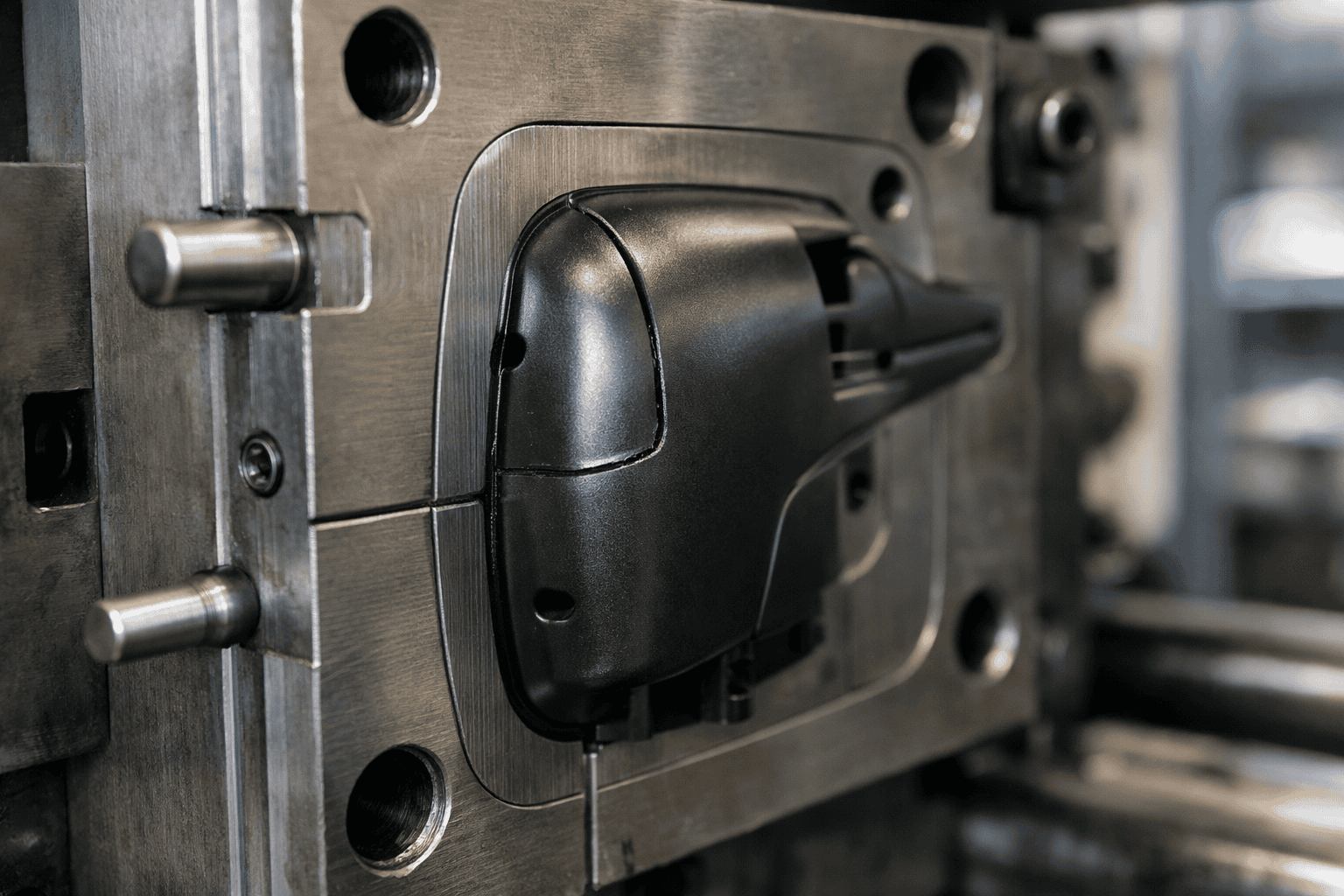
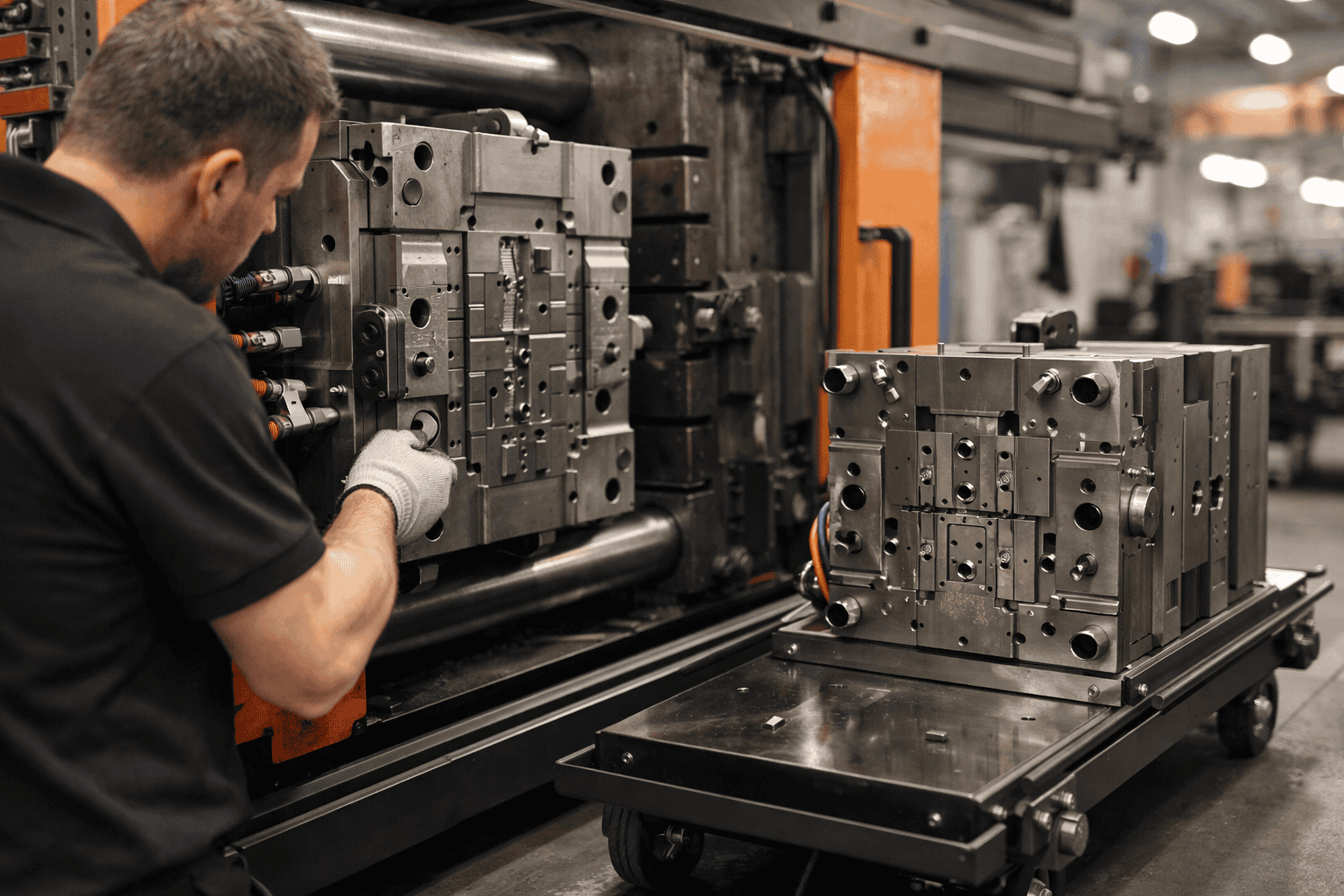
Injection moulding is a manufacturing process in which molten plastic is injected into a custom-made mould cavity. Once cooled, it forms a precise, repeatable part. This technique is ideal for:
- high-volume production
- complex shapes that don’t require post-processing
- consumer products
- repeatable aesthetics
Common applications include:
- housings and casings
- caps, closures, and fasteners
- medical disposables
- automotive interior components
- plastic enclosures and connectors
For manufacturers producing thousands—or millions—of identical parts, injection moulding offers unbeatable efficiency and cost-effectiveness.
However, it does come with limitations:
- High tooling costs make it less suitable for small production runs
- Design changes require new tooling
- Material options may be limited by mould behaviour
- Longer development lead times due to mould creation
These constraints mean injection moulding is not always the ideal solution for every industry—especially one as demanding and variable as conveyor engineering.
How SL Plastics Manufactures Conveyor Parts: Precision Without Moulds
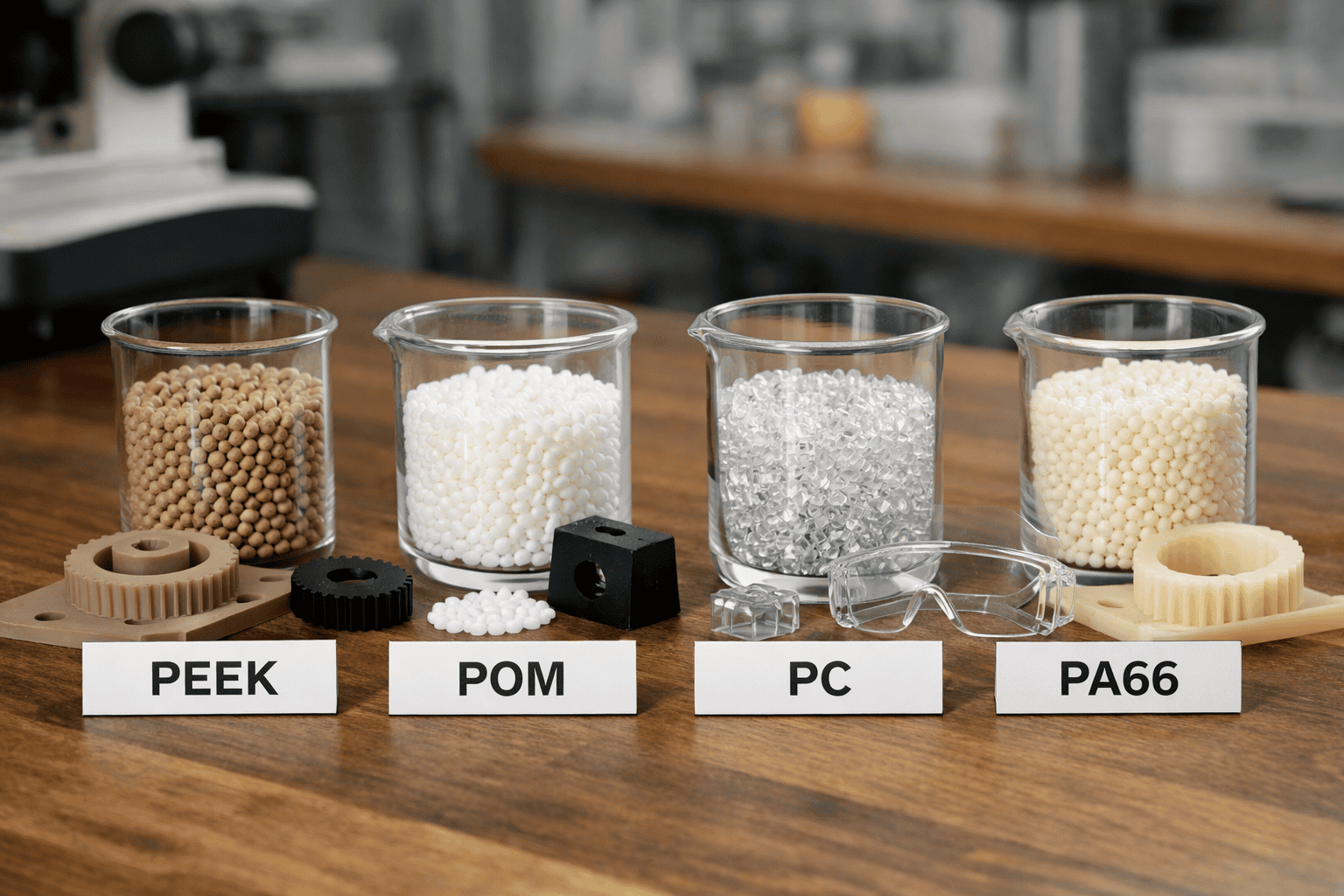
SL Plastics specialises in machined, fabricated, and custom-cut plastic components, primarily from high-performance materials such as UHMW-PE, acetal, nylon, PTFE, and other engineering polymers.
Unlike injection moulders, SL Plastics uses:
- CNC machining
- Routing and profiling
- Turning and milling
- Plastic welding and fabrication
- Sheet, rod, and block machining
Why This Approach Excels for Conveyor Components
1. No Tooling Required
Machined parts do not require moulds. This means:
- rapid lead times
- no upfront tooling investment
- easy modification or customisation
This is essential for conveyor systems that often require bespoke dimensions.
2. Superior Wear Resistance
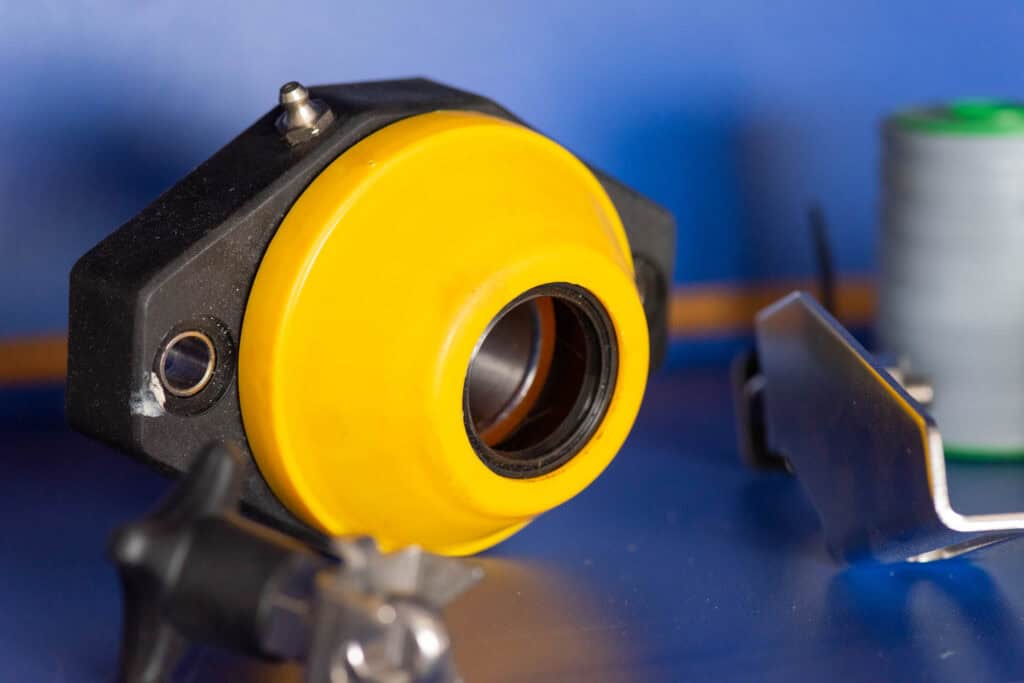
Many conveyor components are exposed to continuous abrasion. Engineering plastics such as UHMW or acetal provide:
- extremely low friction
- long service life
- excellent impact and wear resistance
These materials are often unsuitable—or uneconomical—for injection moulding, yet perfect for machining.
3. Tight Tolerances and Flatness
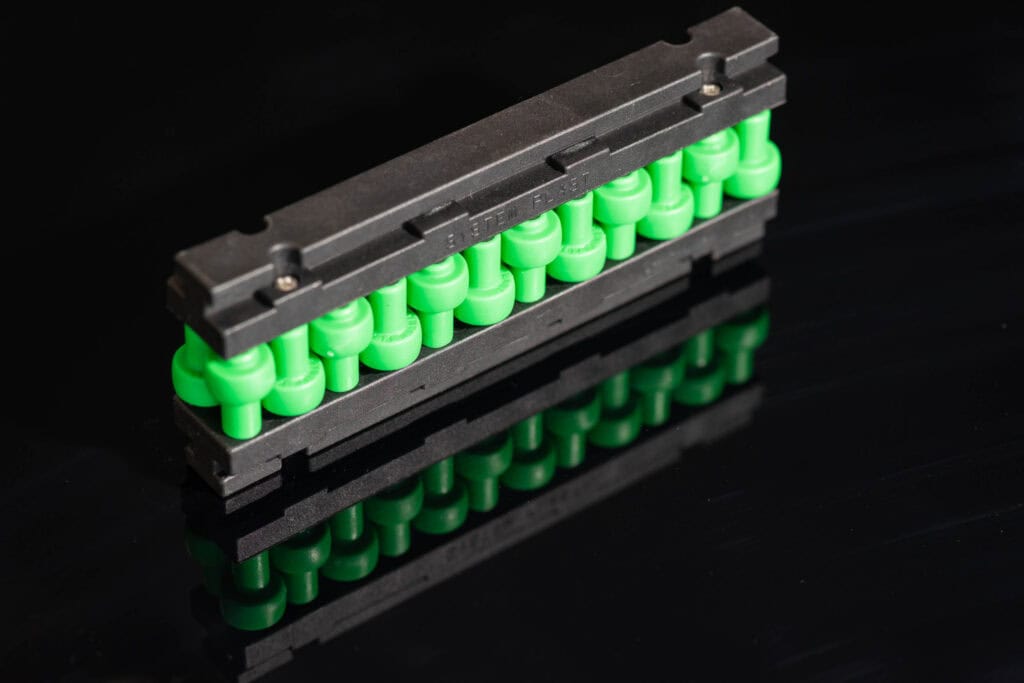
Guides, wear strips, and profiles must maintain strict tolerances to ensure belts, chains, and rollers run smoothly. CNC machining provides the accuracy needed for:
- precise alignment
- consistent thickness
- stable geometry over long lengths
Injection moulding struggles to achieve this level of precision in large or elongated parts.
4. Large or Long Components
Many conveyor parts—especially wear strips and guide rails—can be several metres long. Injection moulding such parts is impractical, while machining from sheet or extruded stock is straightforward.
5. Low to Medium Volume Production
Conveyor systems often require:
- custom parts
- replacement components
- small batch quantities
Machining is ideal for short production runs where each part may differ slightly.
Why Conveyor Parts Rarely Use Injection Moulding
Although injection moulding is excellent for repetitive, high-volume components, conveyor systems present unique manufacturing challenges:
- Custom shapes & lengths that vary per installation
- Specialist materials that are better machined than moulded
- High wear environments requiring denser plastic sections
- On-site adjustability for drilling, trimming, or machining during installation
For these reasons, machined engineering plastics dominate the conveyor industry.
Injection Moulding & Machined Plastics: Complementary, Not Competitive
Although they serve different functions, injection moulding and CNC machining frequently operate side by side within industrial environments.
For example:
- A moulded housing may incorporate a machined UHMW wear pad
- An assembly may contain moulded clips with machined bushings
- Automation systems may use moulded guides alongside machined conveyor tracks
Injection moulders create mass-produced components. SL Plastics produces precision, performance-critical components—often bespoke and from materials not suited to moulding.
Where SL Plastics Fits Into the Injection Moulding Supply Chain
SL Plastics does not compete with injection moulders; instead, they complement them by providing solutions where moulding is not viable.
They typically support:
- conveyor OEMs
- food processing equipment manufacturers
- packaging automation companies
- industrial machinery builders
- material handling and logistics integrators
Their work fills the gap between high-volume moulding and low-volume, high-performance engineered components.
Conclusion
Injection moulding and CNC machining are not competing processes—they are complementary disciplines within plastics manufacturing.
Injection moulding enables large-volume, cost-effective production of uniform parts. In contrast, SL Plastics’ machining and fabrication capabilities provide durable, customised, long-length, tight-tolerance conveyor components that cannot be economically moulded.
For industries relying on conveyor systems—food production, packaging, logistics, pharmaceuticals, and more—the advantages of machined engineering plastics make SL Plastics an essential part of the manufacturing ecosystem.